




The Psychological Design of Casinos
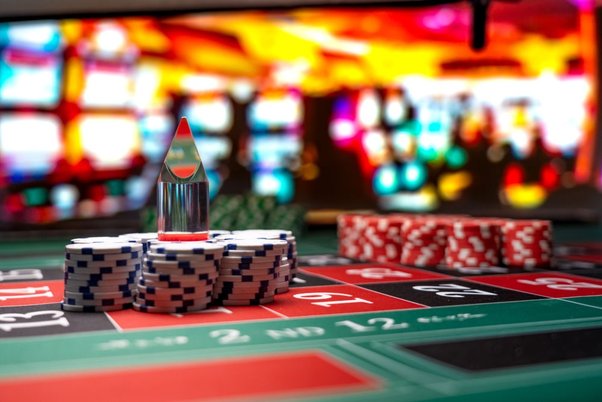
Casinos are meticulously designed to create an environment that encourages players to stay longer. The use of vibrant colors, captivating sounds, and strategic layouts is intentional, crafted to evoke feelings of excitement and comfort. For instance, bright lights and lively colors draw attention, while softer lighting in high-stakes areas provides a sense of intimacy. This design philosophy subtly influences player behavior, making them more likely to engage in extended gaming sessions without awareness of time passing. Many visitors also enjoy the variety of entertainment options, including betting sites , which can further enhance their experience while exploring the very layout of a casino that can create a labyrinthine experience, where players can easily lose track of time and surroundings.
Furthermore, the arrangement of gaming machines and tables is strategically planned. Casinos typically place the most popular games in high-traffic areas to attract players, while more niche offerings may be tucked away in quieter corners. This plays on curiosity and the fear of missing out, prompting players to explore every possible option rather than sticking to their favorites. As a result, patrons often find themselves wandering from one machine or table to another, increasing the likelihood of longer play times. This careful planning transforms the casino floor into an engaging journey, where every corner turned promises a new adventure.
The auditory experience within a casino is also carefully curated. The sounds of coins dropping, slot machines chiming, and cheers of excitement create an immersive atmosphere. These auditory cues can elicit emotional responses, enticing players to continue for just one more round. Such psychological tactics contribute to a phenomenon known as ‘loss aversion,’ where players subconsciously feel compelled to keep playing to avoid losing their initial investment or to try and win back lost funds. The combination of visual and audio stimuli is a deliberate strategy to enhance player engagement and prolong their stay.
Reward Systems and Incentives
In addition to environmental design, casinos employ complex reward systems that further lure players into extended gaming engagement. Loyalty programs, bonuses, and complimentary services are common strategies used to keep players returning. Each visit, players accumulate points that can be redeemed for rewards, including meals, accommodations, and exclusive access to events. This fosters a sense of value for their money spent and encourages them to play longer to maximize their rewards. The psychological effect of earning rewards creates a cycle where players feel motivated to keep playing, not wanting to miss out on potential benefits.
Casinos also offer enticing bonuses to lure players into spending additional time gambling. Free spins, match bonuses, and no deposit bonuses provide a false sense of increased value. Although these promotions are designed to attract new players, they also serve to keep existing players engaged. The thrill of a potential win and the temptation of ‘free’ play can lead to extended gaming sessions, as players feel less pressure on their finances when playing with bonus funds. This clever utilization of incentives reinforces a player’s commitment to stay longer, chasing that elusive big win.

Moreover, the ‘near-miss’ phenomenon works to keep players engaged. In many casino games, players are presented with outcomes that are close to a win, reinforcing the desire to continue playing. This psychological trick can lead to frustration as players believe they are close to success, which often results in them increasing their time at the casino in hopes of finally hitting that jackpot. The design of games in this manner is intentional and plays into the larger narrative of winning and losing within the gaming experience. The anticipation built around these near-misses serves as a powerful motivator for players to keep pushing their luck.
The Role of Social Interaction
Social interaction also plays a significant role in the design of casinos to keep players engaged. Many casinos feature bar areas, lounges, or dining establishments where players can gather and socialize. This sense of community can enhance the gaming experience and create a feeling of belonging. When players are enjoying the company of friends or fellow gamblers, they are less likely to notice the passage of time and more inclined to continue playing. The camaraderie fostered in these spaces can lead to a more immersive experience, blurring the lines between gaming and socializing.
Additionally, games such as poker or blackjack involve direct interaction with other players, fostering competitive spirits and camaraderie. Players often feel a heightened sense of engagement when seated at a table with others, making it less likely they will walk away even after an extended period of time. The social aspect of gaming can make the experience more enjoyable, leading individuals to prioritize their time spent in the casino environment over other responsibilities. The bonds formed during gameplay can create lasting memories, further encouraging players to return.
Furthermore, casinos often host events, tournaments, and promotions aimed at enhancing social interaction. Special poker tournaments or themed nights draw in crowds and create a lively atmosphere. This not only attracts new players but can also create a sense of urgency for regulars to stay, ensuring they do not miss out on community developments. By nurturing social connections, casinos create a unique environment that ultimately contributes to prolonged gaming experiences. The blending of gaming with social events enriches the overall entertainment value, making it more than just a gambling venue.
The Impact of Technology
Modern technology has significantly transformed the landscape of casinos, enhancing the ways they engage players. With the introduction of touchscreen gaming machines and mobile gaming apps, the gambling experience has become more accessible and interactive. Players can easily switch between games, check their progress in loyalty programs, and even communicate with other players seamlessly. This integration of technology encourages longer gaming sessions, as the convenience and interactivity often lead to increased engagement. Players are now able to experience their favorite games in new formats, pushing the boundaries of traditional gaming.
Moreover, many establishments are now incorporating virtual reality (VR) and augmented reality (AR) into their offerings, providing players with immersive experiences that were previously unimaginable. These technological advancements create new opportunities for players to engage with their favorite games in dynamic ways, which can promote longer playtimes as they explore these cutting-edge options. The element of novelty added by technology further captivates players and lures them into extended sessions. The immersive nature of VR and AR can transport players into exciting worlds that enhance their gaming experience, making it hard to walk away.
Casinos are also utilizing sophisticated data analytics to tailor offerings and promotions to individual players based on their gaming habits. By observing player behavior, casinos can customize their marketing strategies, ensuring that players receive relevant promotions and incentives. This personalized approach further entices players to stay longer, as they feel understood and valued. As technology continues to evolve, it is likely that casinos will further optimize their strategies to maintain engagement and extend playing times. The future of gambling is being shaped by data-driven insights that enhance player experiences and contribute to longer visits.
Understanding the Casino Experience
When considering whether casinos are designed to keep players engaged for longer periods, it is essential to understand the multifaceted experience they offer. From the psychological frameworks and aesthetic designs to the rewards systems and social interactions, every aspect of a casino is tailored to encourage extended play. Understanding these elements can help players make informed decisions regarding their time and money spent at such establishments. Knowledge of these factors can empower players to enjoy the thrill of gambling while remaining conscious of their limits.
Additionally, being aware of the strategies casinos employ can empower players to set their boundaries. This consciousness can foster healthier gambling habits, enabling individuals to enjoy the entertainment value of casinos without falling into the traps of overspending or extended play times that lead to regret. Recognizing the incentives and designs of casinos can facilitate a balanced approach to gaming. Education on these topics can promote responsible gaming practices, helping players navigate their experiences positively.
For those interested in experiencing the thrill of casinos, it is vital to engage mindfully. Whether playing for leisure or in pursuit of big wins, understanding how these environments are crafted to captivate can enhance enjoyment while promoting responsible gaming practices. Casinos are not merely places to gamble; they are carefully constructed experiences designed to entertain and entice, creating a unique blend of excitement and risk. By approaching gambling with awareness and understanding, players can enjoy their time in casinos while maintaining control over their gaming habits.